
At The Law Office of Tania K. Harvey, our collaborative divorce lawyer Addison understands that custody disputes can feel emotional and overwhelming. Understanding how courts evaluate the best interests of a child can help parents better prepare for parenting negotiations and court proceedings. Call our office today for a free consultation at 312-803-5845.
When parents separate or divorce in Illinois, one of the most important legal questions becomes how parenting time and decision-making responsibilities will be divided. Illinois courts do not automatically favor one parent over the other. Instead, judges are legally required to make decisions based on what is known as the “best interests of the child” standard.
What Does “Best Interests of the Child” Mean?
Under Illinois law, courts focus on creating parenting arrangements that support a child’s emotional, physical, educational, and developmental well-being. The goal is not to reward or punish either parent. Instead, judges aim to create stable environments that help children thrive after a divorce.
Illinois no longer uses the traditional terms “custody” and “visitation.” Instead, courts address: parenting time, allocation of parental responsibilities, and decision-making authority regarding education, healthcare, religion, and extracurricular activities
The Illinois Marriage and Dissolution of Marriage Act outlines numerous factors courts must consider when determining what arrangement serves the child’s best interests. (Illinois General Assembly). In addition, consulting a collaborative divorce lawyer Addison is an important step so you are prepared to discuss what is best for your family and future.
What do courts look for regarding relationships between parents and children?
One of the most significant factors is the strength and quality of the child’s relationship with each parent. Courts look at who has historically participated in the child’s daily life and caregiving.
Judges may consider whether a parent, helps with homework, attends medical appointments, participates in school activities, provides emotional support, and maintains consistent involvement
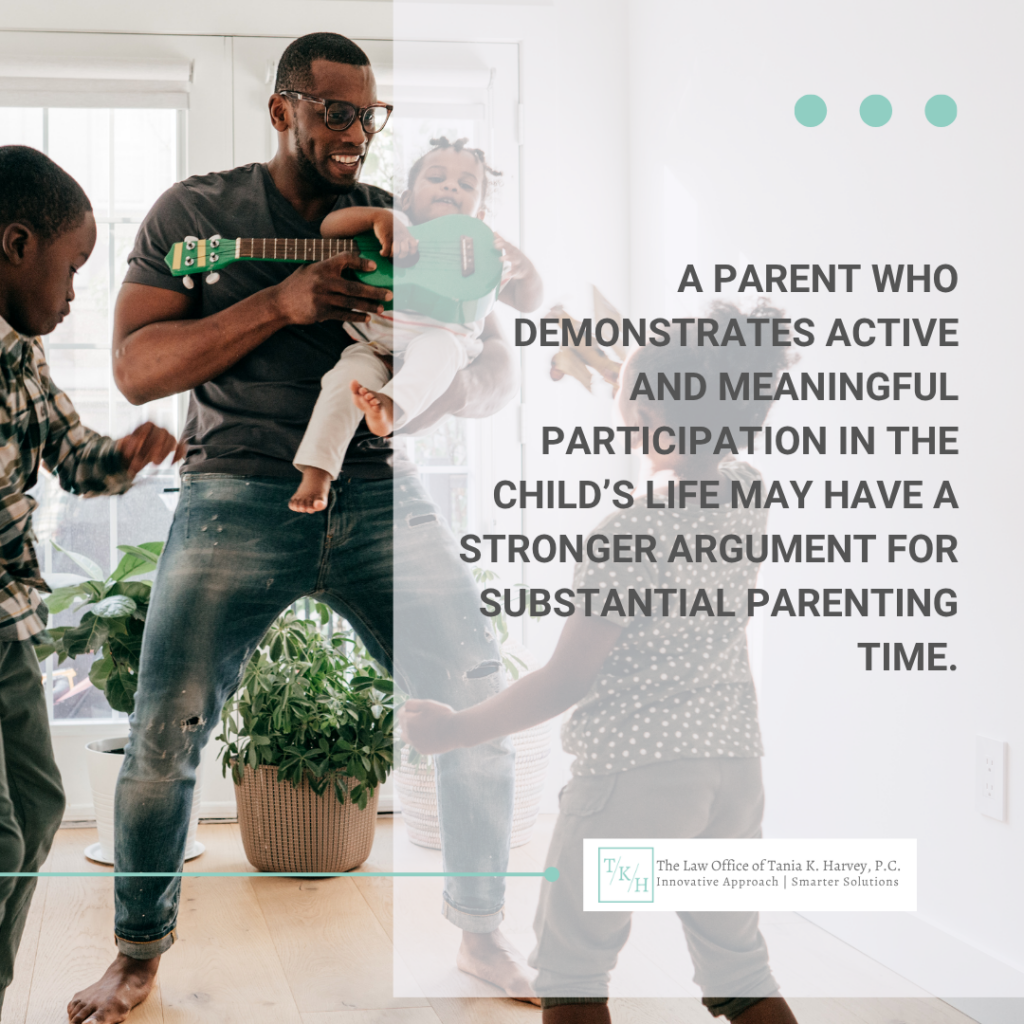
A parent who demonstrates active and meaningful participation in the child’s life may have a stronger argument for substantial parenting time.


Is the child’s home a factor in co-parenting arrangements?
Illinois courts want to minimize unnecessary disruption in a child’s life. Judges may evaluate how well the child is adjusted to their current home and may not want to disrupt their living situation. Some level of consistency during this time can be beneficial for children.
They may also consider the school environment, friendships and social activities, and other community involvement. The primary goal of a collaborative divorce lawyer Addision or a judge, is to ensure that the child will have stability and will benefit from their living arrangements.
For example, if one parenting arrangement would require a child to change schools or leave important support systems, the court may carefully consider whether that change would negatively affect the child’s stability.
What if parents struggle to cooperate?
Co-parenting and communication matter significantly in Illinois family law cases. Working with a collaborative divorce lawyer Addison will help you get your co-parenting relationship started off on the right foot. When you are able to work together to create a mutually beneficial co-parenting agreement, you are more likely to be able to collaborate after the fact.
Also, courts often favor parents who demonstrate a willingness to cooperate and support the child’s relationship with the other parent. Judges may look unfavorably on behavior such as: refusing reasonable communication, interfering with parenting time, speaking negatively about the other parent in front of the child, or using the child to relay messages or create conflict.
Illinois courts generally believe children benefit when both parents remain positively involved in their lives whenever possible.
Does the court consider the child’s wishes?
Depending on the child’s maturity and age, courts may consider the child’s preferences regarding parenting time. However, the child’s wishes are only one factor among many and are not automatically controlling. Judges are careful not to place excessive pressure on children to choose between parents.
What about safety and domestic violence concerns?
The child’s safety is always a top priority. Courts take allegations of abuse, neglect, domestic violence, or substance abuse very seriously. If evidence suggests a child may be at risk, judges can: restrict parenting time, require supervised visitation, limit overnight visits, or modify decision-making authority. Illinois courts are required to prioritize the child’s physical and emotional safety above all else.
Work with a collaborative divorce lawyer Addison to ensure your family gets to make decisions about their future
When you work with a collaborative divorce attorney, you will be able to make decisions for your family. If you are able to come to agreements with your ex-partner, it will be better for everyone involved. You know your family and you know what’s best for your kids. Leaving it to the courts takes the power away from you.
When it does have to go to court, many parents still believe courts favor mothers in custody disputes, but Illinois law is designed to be gender-neutral. Fathers and mothers have equal legal standing when courts determine parenting arrangements. What matters most is each parent’s ability to meet the child’s needs and support the child’s long-term well-being.
At The Law Office of Tania K. Harvey, we help parents navigate parenting disputes with compassion, preparation, and strong legal advocacy. Whether you are negotiating a parenting plan or preparing for court, understanding the “best interests of the child” standard can help you make informed decisions that protect both your parental rights and your child’s future.